
Whole House Remodeling: Where to Start
Before contacting a Knoxville home remodeling contractor, take time to identify the main problems you want the renovation to solve. Some homeowners need more space, while others want better room flow, updated finishes, or improved energy efficiency. Writing down your goals helps you separate essential upgrades from features that would simply be nice to have.
Professional remodeling services can cover everything from structural changes and electrical updates to flooring, cabinetry, and painting. However, trying to renovate every area at once without a clear order can create confusion and unnecessary expenses. A reliable local renovation company can help you organize the work into logical phases and identify which decisions must be made first.
Start With a Clear Remodeling Vision
A whole-house remodel should begin with a practical vision of how you want your home to work once the project is complete. Think beyond appearance and consider how your household uses each room every day.
Ask yourself:
Which areas feel cramped, dark, or outdated?
Are there rooms that are rarely used?
Does the current layout make cooking, entertaining, or relaxing difficult?
Will your family’s needs change over the next five to ten years?
Are plumbing, roofing, wiring, or HVAC systems nearing the end of their useful life?
Once you answer these questions, divide your goals into three categories: necessary repairs, functional improvements, and cosmetic upgrades. Structural problems and outdated mechanical systems should usually come before decorative changes.
For example, installing luxury flooring before repairing damaged subfloors or relocating plumbing can lead to expensive rework. A strong plan protects your investment by putting each task in the correct sequence.
Set a Realistic Budget and Include a Contingency
Whole-house remodeling costs vary widely because every property has different needs. The age of the home, scope of structural work, material choices, labor requirements, and permit costs can all affect the final price.
Start by setting a maximum amount you can comfortably invest. Then create separate estimates for major project categories, such as:
Design and architectural planning
Demolition and disposal
Structural repairs
Plumbing and electrical work
Heating and cooling upgrades
Kitchens and bathrooms
Flooring, trim, and paint
Fixtures, appliances, and cabinetry
Permits and inspections
Always reserve part of your budget for unexpected conditions. Once walls or floors are opened, contractors may discover water damage, unsafe wiring, mold, foundation concerns, or outdated plumbing.
A contingency fund of roughly 10% to 20% can provide breathing room. Older homes or projects involving extensive structural changes may require a larger reserve.
Avoid spending your full budget on visible finishes. Beautiful countertops will not compensate for unreliable wiring, poor insulation, or moisture problems. The best remodels balance design improvements with essential upgrades behind the walls.
Plan the Project in the Right Order
The order of construction matters. Poor sequencing can cause crews to repeat work, damage completed surfaces, or delay other trades.
Most whole-house renovations follow a general progression:
Design, measurements, and permits
Demolition and site preparation
Foundation or structural repairs
Framing and layout changes
Roofing, windows, and exterior protection
Plumbing, electrical, and HVAC rough-ins
Insulation and drywall
Cabinetry, flooring, and interior trim
Painting and finish work
Fixtures, appliances, and final inspections
The exact sequence may change depending on the project. However, major structural and mechanical work should almost always happen before cosmetic finishes.
You should also decide whether to renovate the entire property at once or complete the work in phases. A single large project may shorten the overall timeline, but it can require temporary housing and a larger upfront investment.
Phased remodeling allows homeowners to spread costs over time. The downside is that repeated setup, demolition, and cleanup may increase the total expense. Discuss both approaches with your contractor before committing to a schedule.
Choose the Right Remodeling Team
The quality of your contractor will influence nearly every part of the experience. A low estimate may look attractive, but poor communication, weak project management, and rushed workmanship can cost far more in the long run.
Look for a contractor who:
Has experience managing large, multi-room renovations
Provides a detailed written scope of work
Explains allowances and potential extra costs
Uses qualified and insured subcontractors
Understands local permits and building requirements
Offers realistic timelines instead of vague promises
Provides references from comparable projects
Communicates clearly throughout construction
Compare proposals carefully. One contractor may include demolition, disposal, permits, and finish materials, while another may leave those items out. A lower bid is not necessarily a better deal when the scopes are different.
Before signing, make sure the contract explains payment schedules, change-order procedures, warranties, cleanup responsibilities, material selections, and project milestones.
Short Case Study: Turning a Disconnected Home Into One Cohesive Space
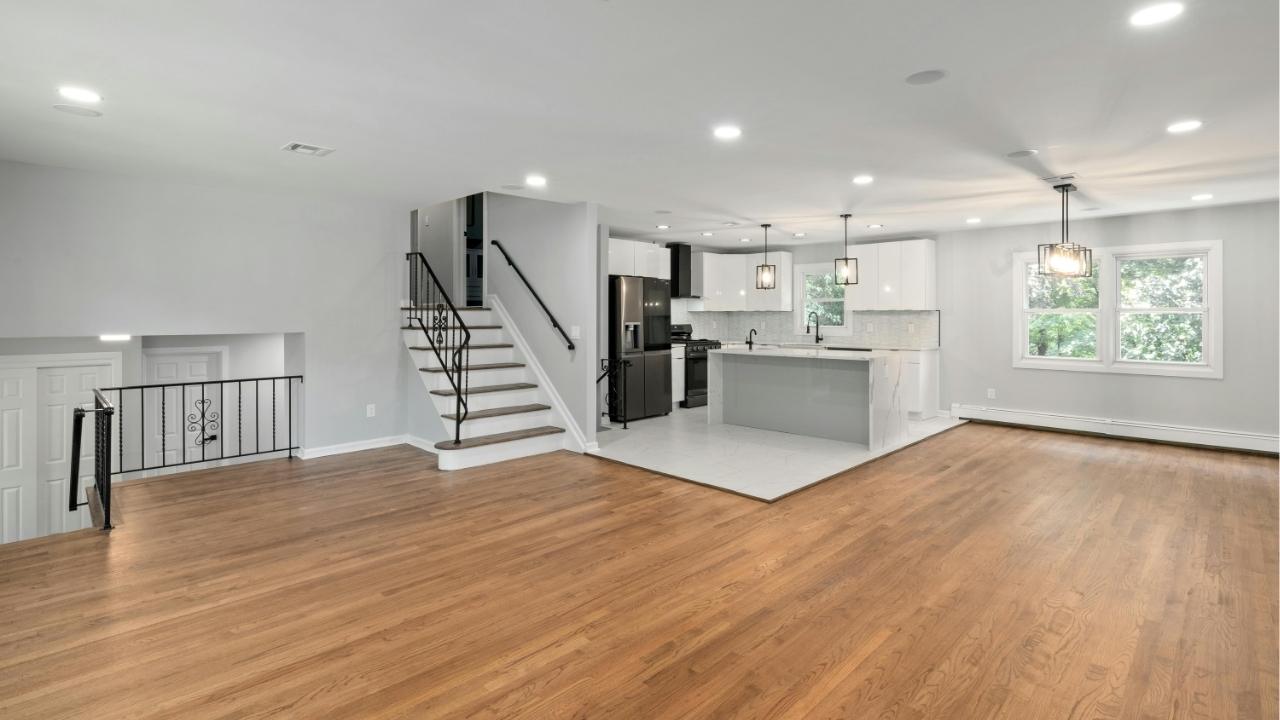
A Knoxville couple purchased an older home with a closed-off kitchen, undersized bathrooms, outdated wiring, and several rooms that felt disconnected. They originally planned to update the kitchen first, but a full inspection revealed electrical and plumbing concerns that affected several areas. Their contractor developed a phased plan that handled structural and mechanical work before new finishes were installed. The kitchen was opened to the dining area, storage was added, two bathrooms were modernized, and consistent flooring connected the main living spaces. By prioritizing hidden systems first, the homeowners avoided tearing into newly completed rooms later and finished with a safer, more functional home.
Common Mistakes to Avoid
Whole-house renovations are complex, but many expensive problems are preventable.
Do not begin demolition before plans and permits are complete. Starting too soon can expose the home to weather, create safety hazards, or leave rooms unusable while approvals are pending.
Do not make major design decisions during construction unless necessary. Late changes often affect labor, materials, inspections, and scheduling.
Do not order materials without confirming dimensions and lead times. Cabinets, windows, specialty flooring, appliances, and fixtures may take weeks or months to arrive.
Do not ignore how one room affects another. Moving a kitchen wall may change flooring transitions, lighting plans, HVAC placement, and furniture layouts in nearby spaces.
Finally, do not choose every finish independently. Whole-house remodeling works best when colors, materials, hardware, lighting, and architectural details feel connected from room to room.
Start Your Whole-House Remodel With a Strong Plan
A successful renovation begins long before construction crews arrive. Clear goals, realistic budgeting, proper sequencing, and experienced project management can prevent many of the problems that cause homeowners stress.
Schedule a professional remodeling consultation to evaluate your home, define the right priorities, and create a practical plan for transforming the entire property.