Open Concept vs. Divided Rooms: Best Basement Layout Options
When you finally decide to finish your basement, the big question hits fast: should you go wide open or break it into separate rooms? The layout you choose will shape how your home feels, functions, and even how much it’s worth down the road.
If you’re considering basement refinishing in Knoxville TN, understanding the pros and cons of open concept versus divided rooms is the first smart move. Many homeowners explore professional remodeling services to help them weigh these options, especially when working with an experienced renovation company that understands both design flow and structural limits. Let’s break down what really works and for whom.
The Appeal of an Open Concept Basement
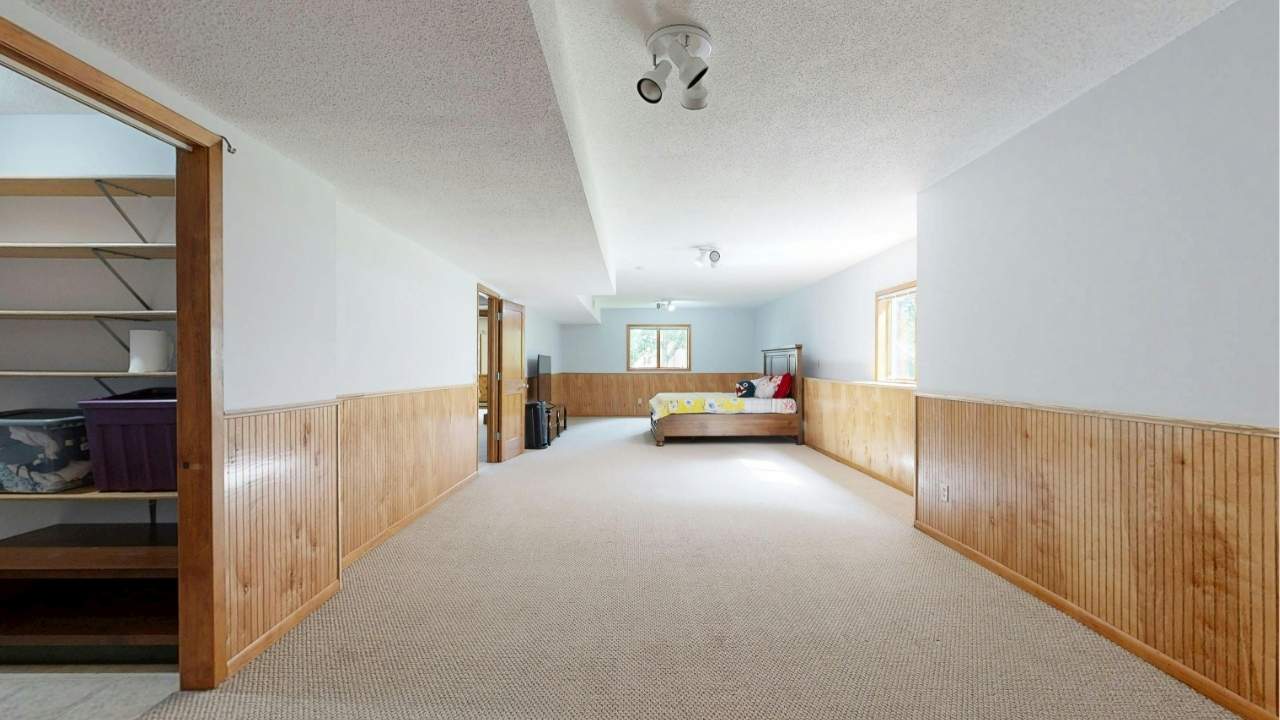
Open layouts are popular for a reason. They make a basement feel larger, brighter, and more inviting. Instead of walls boxing everything in, you get one continuous space that can serve multiple purposes.
Here’s why homeowners love open concept basements:
Better natural light flow from small basement windows
Flexible furniture layouts for entertaining or family time
Easier supervision if kids are using the space
Modern, airy aesthetic that feels updated
An open basement works especially well for:
Home theaters
Game rooms
Home gyms
Large entertainment spaces
But here’s the reality: open space can also mean open noise. If someone’s watching a movie, everyone hears it. Privacy is limited. And if your basement ceiling is low, the space can still feel unfinished without thoughtful design touches like soffits, lighting zones, or flooring transitions.
Open concept works best when your goal is shared space, not separation.
The Power of Divided Rooms
Now let’s talk about structure. Divided rooms create clear boundaries and purpose. Instead of one large area, you might have:
A guest bedroom
A private home office
A bathroom
A small lounge or TV room
This layout makes sense if your basement needs to function as a true extension of your home, not just extra hangout space.
Advantages of divided rooms include:
Privacy for guests or family members
Noise control
Higher resale appeal if adding a legal bedroom
Defined use for each area
The trade-off? Walls reduce openness. Without good lighting and thoughtful planning, a divided basement can feel tight or dark. That’s where smart design matters, using glass doors, recessed lighting, and lighter paint colors to keep things from feeling closed in.
What Works Best for Knoxville Homes?
In Knoxville, basements vary widely. Some are walk-outs with natural light. Others sit fully below grade with limited windows. The structure of your home plays a major role in what layout makes sense.
If your basement:
Has multiple windows → Open concept may shine.
Has limited light → Divided rooms with strategic lighting can create comfort.
Needs rental or in-law potential → Divided layout is stronger.
Is mainly for entertaining → Open space wins.
Also consider HVAC, plumbing, and support beams. Some basements simply don’t allow for certain layouts without major structural adjustments.
A Quick Case Study
A family in West Knoxville wanted to finish their 1,200-square-foot basement. At first, they leaned toward a fully open entertainment zone. But after discussing their long-term goals, they realized they needed a private office and guest bedroom.
Instead of choosing one extreme, they blended both concepts. The finished design included a separated bedroom and bathroom on one side, with an open lounge and bar area on the other. By keeping partial walls and wide doorways, the space still felt connected without sacrificing privacy. The result? A basement that supported both everyday living and future resale value.
Sometimes the best choice isn’t one or the other. It’s balance.
How to Choose the Right Layout
Before you commit, ask yourself:
How will this space be used daily?
Do you need privacy or flexibility?
Are you thinking long-term resale?
What’s your lighting situation?
What’s your budget for framing and drywall?
A smart layout isn’t just about trends. It’s about function, flow, and future value.
The right basement design can completely transform how your home works for you. If you’re ready to move forward, consult a professional who can assess your space, understand your goals, and create a layout that makes sense, not just today, but for years to come.