
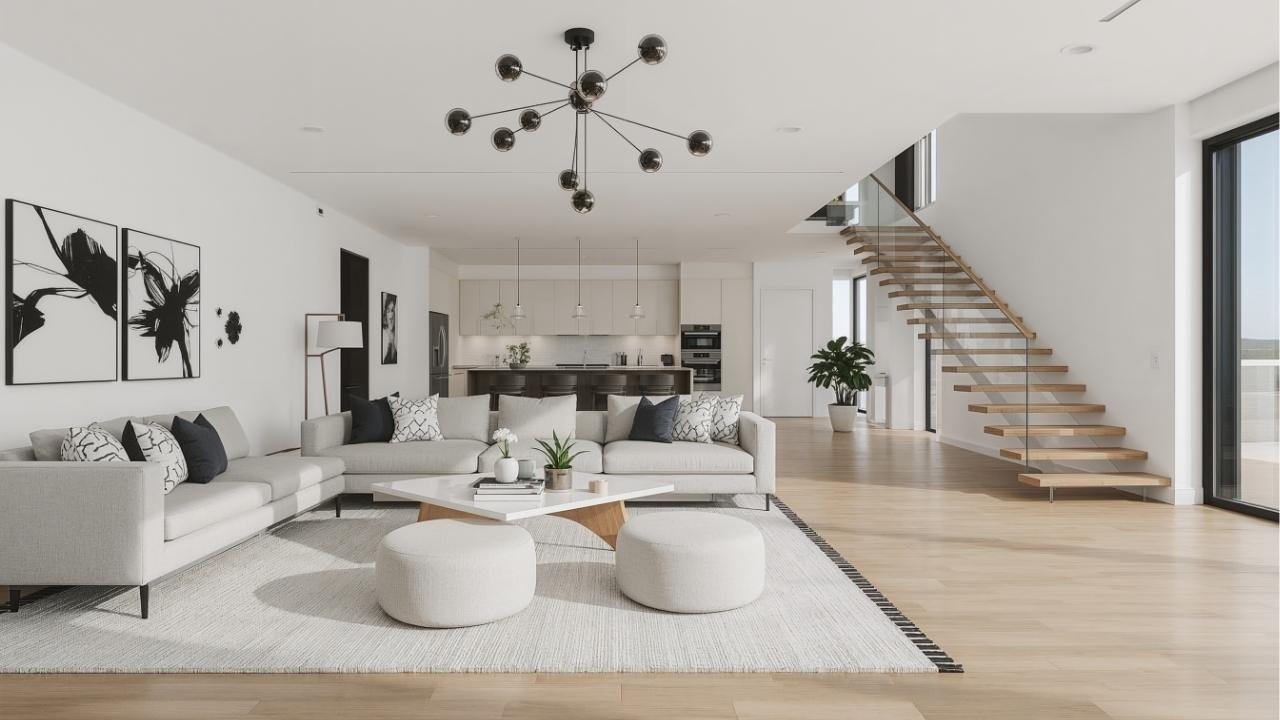
Open Concept vs. Defined Spaces: What Works Best for Living Rooms?
Walk into any modern home and you’ll feel it right away, the layout sets the mood. Some living rooms flow seamlessly into the kitchen and dining area. Others feel cozy, framed by walls that give each space a clear purpose.
If you’re planning a renovation, choosing between open concept and defined spaces is one of the biggest decisions you’ll make. In this guide, we’ll break down the pros and cons of each, explore lifestyle factors that matter, and help you decide what truly works for your home.
Many homeowners turn to a general contractor in Knoxville TN to weigh their options before committing to major structural changes. The right layout can dramatically affect comfort, resale value, and how you use your home every day. Whether you're exploring full-scale remodeling services or simply rethinking your floor plan, understanding both approaches is essential. A trusted home remodeling company can help you balance design trends with practical living needs.
Let’s take a closer look.
The Appeal of Open Concept Living
Open concept living rooms remove barriers, literally. Walls between the living room, kitchen, and dining area are taken down to create one large, shared space.
Why Homeowners Love It
Better natural light across the entire space
Improved sightlines, especially helpful for families with kids
Ideal for entertaining large groups
Modern, airy aesthetic
Without walls dividing the space, conversations flow easily. You can cook dinner while still being part of what’s happening in the living room. For many, it feels connected and social.
But there’s a trade-off.
Open layouts can feel noisy. Cooking smells travel. And without clear boundaries, it’s harder to hide clutter. What looks stunning in a magazine doesn’t always match real-life routines.
The Comfort of Defined Spaces
Defined spaces use walls, doors, or partial dividers to separate the living room from other areas. It’s a more traditional layout, but that doesn’t mean outdated.
Benefits of Separate Living Rooms
More privacy for family members
Better sound control
Easier to manage mess and noise
Clear functional zones
A defined living room can feel calm and intentional. It’s easier to design around a single purpose: relaxing, watching TV, reading, or hosting small gatherings.
It also allows for different design themes in each room. Your kitchen can be sleek and modern while your living room feels warm and classic.
However, too many walls can make a home feel smaller or darker. That’s where thoughtful design comes in.
Lifestyle Matters More Than Trends
Here’s the truth: neither layout is universally better. It depends on how you actually live.
Ask yourself:
Do you entertain large groups often?
Do you work from home and need quiet?
Do you prefer cozy and private, or open and social?
Is your home naturally bright or somewhat dim?
Short Case Study
A Knoxville family with two young children recently faced this decision. Their 1990s home had a closed-off living room and separate kitchen. They loved the idea of open concept but worried about noise and mess.
Instead of removing every wall, they widened the doorway between rooms and added a large cased opening. This created better flow without fully sacrificing separation. The result? More light and visibility, but still enough structure to keep the living room feeling grounded and organized.
MEL Realty Repairs sees the same tradeoff play out in Oak Ridge and Sevierville homes, where older, smaller floor plans often benefit from a widened opening rather than a full wall removal.
The key wasn’t chasing a trend. It was designing around how they used their space every day.
Hybrid Solutions: The Best of Both Worlds
You don’t have to choose one extreme.
Modern design offers smart compromises:
Half walls or columns
Glass partitions or sliding doors
Built-in shelving as room dividers
Large open archways instead of full wall removal
These options maintain flow while still defining areas. You get flexibility without losing structure.
If resale value is a concern, remember that buyers today appreciate both functionality and character. A well-designed semi-open layout often appeals to a broader range of people.
So, What Works Best?
Open concept living rooms feel expansive and social. Defined spaces feel cozy and controlled. The “best” option is the one that fits your lifestyle, not just your Pinterest board.
Before you make structural changes, take time to think about daily routines, noise levels, lighting, and long-term needs. A thoughtful layout will serve you for years, not just until the next design trend rolls in.
If you’re considering a renovation, start by evaluating how your living room functions today. Then make a plan that supports how you truly want to live.
Ready to transform your space? Consult MEL Realty Repairs and design a layout that works for your Knoxville, Oak Ridge, or Sevierville home, not just your floor plan.