
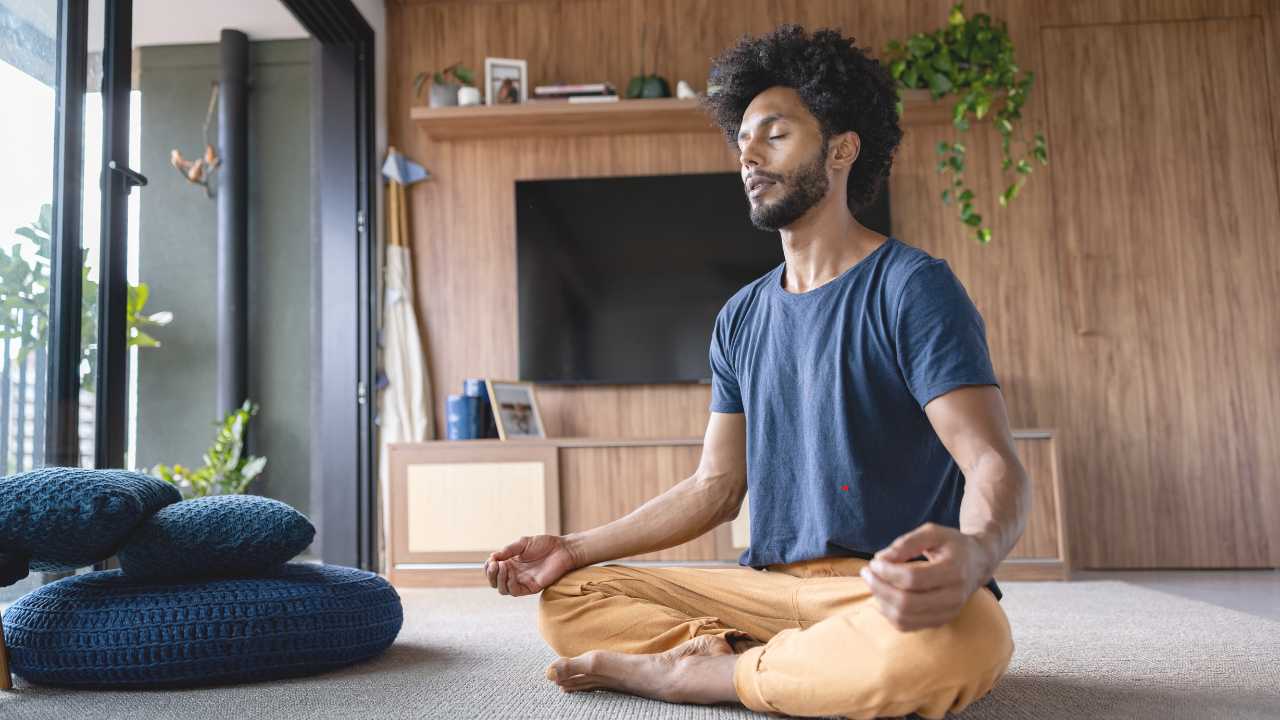
How to Turn Any Room Into a Tranquil Meditation Space
Modern life is loud, crowded, and relentlessly busy. Turning a spare room or quiet corner into a meditation space isn’t about luxury, it’s about reclaiming calm, and even a trusted home remodeling contractor in Knoxville TN can help shape that foundation when layout or lighting needs adjustment. Many homeowners start small, working with Mel Realty Repairs LLC to reimagine unused rooms without turning the project into a full-scale renovation. Experienced Knoxville remodelers often say the most peaceful spaces are created with intention, not excess. This guide shows you how to design a meditation room that feels grounded, personal, and easy to maintain.
You’ll learn how to choose the right space, simplify the environment, use light and texture to your advantage, and create a setup that supports daily practice without becoming another chore.
Start With the Right Space (Not the Perfect One)
You don’t need a dedicated Zen room to meditate effectively. What matters is consistency and separation.
Look for a space that:
Has minimal foot traffic
Can be closed off or visually defined
Feels emotionally neutral (not tied to work or stress)
A spare bedroom, walk-in closet, or even a corner of the living room works. If the area feels cluttered or awkward, that’s not a dealbreaker, it’s a signal to simplify.
In many Knoxville, Farragut, and Sevierville homes, an unused basement corner works just as well, especially once it's finished with proper lighting and flooring.
Clear everything that doesn’t support calm. If it doesn’t serve rest, reflection, or focus, it goes.
Simplify the Visual Noise
Meditation spaces fail when they try too hard. Overdecorating kills stillness.
Stick to:
One or two neutral colors
Natural materials like wood, cotton, or stone
Clean walls with little to no artwork
Avoid bold patterns and busy textures. Your eyes should relax the moment you enter the space. If you notice yourself “looking around,” the room is too loud.
Use Light to Set the Mood
Lighting is non-negotiable. Harsh overhead lights destroy tranquility.
Instead:
Maximize natural light where possible
Use floor lamps or table lamps with warm bulbs
Add candles for evening sessions (safely placed)
If windows face the street or neighboring homes, sheer curtains soften light without blocking it. The goal is gentle illumination, not darkness.
Choose Furniture That Grounds You
Keep furniture minimal and low to the ground. This naturally signals rest.
Good options include:
A meditation cushion or bench
A low stool or folded blanket
One small shelf for essentials
Avoid chairs that encourage slouching or distraction. Comfort matters, but alert comfort matters more.
Add One Sensory Anchor
A tranquil room should engage the senses subtly.
Pick one anchor:
Scent: incense or essential oils
Sound: a soft chime or white noise
Touch: a textured mat or blanket
More than one becomes stimulation. Less is more here.
Short Case Study: From Storage to Sanctuary
A Knoxville homeowner had a small spare room filled with boxes and unused furniture. Instead of expanding the home, they cleared the space, repainted the walls in a warm neutral tone, added soft lighting, and installed a simple wood floor mat. No expensive décor. No smart tech. Within a week, the room became a daily meditation spot used every morning. The biggest change wasn’t the room, it was the habit the space made possible.
Keep It Sacred Through Routine
The final step is discipline. A meditation room only works if it stays uncluttered.
Create rules:
Nothing gets stored there
No multitasking inside the space
Reset the room after each use
Treat it like a mental gym. You don’t debate whether to use it, you just show up.
Choose one room or corner today, clear it completely, and take the first step toward building a calm you can return to every single day. Contact MEL Realty Repairs to get started on your Knoxville, Farragut, or Sevierville home.