
Home Remodeling Cost Breakdown by Project Type
Home remodeling can feel exciting at first, then intimidating the moment numbers enter the conversation. One homeowner may spend a few thousand dollars on fresh flooring, while another may invest six figures into a full-home transformation.
In this guide, you’ll learn what typically affects remodeling costs, how different project types compare, and why planning your budget by category helps you avoid expensive surprises. Whether you’re updating one room or reworking the entire layout, understanding the cost drivers early makes every decision easier.
Why Remodeling Costs Vary So Much
No two homes are exactly alike. Age, layout, material choices, labor needs, permits, and hidden repairs all influence the final price. A simple cosmetic update costs far less than a project involving plumbing, electrical work, structural changes, or custom finishes.
That’s why hiring a reliable Knoxville home remodeling contractor can help homeowners separate “nice-to-have” upgrades from work that truly improves comfort, function, and long-term value.
The biggest cost factors usually include:
Size of the space
Quality of materials
Labor complexity
Permit requirements
Plumbing or electrical changes
Custom cabinetry, tile, or trim
Unexpected repairs behind walls or floors
Once you understand these factors, it becomes easier to compare project types realistically.
Kitchen Remodeling Costs
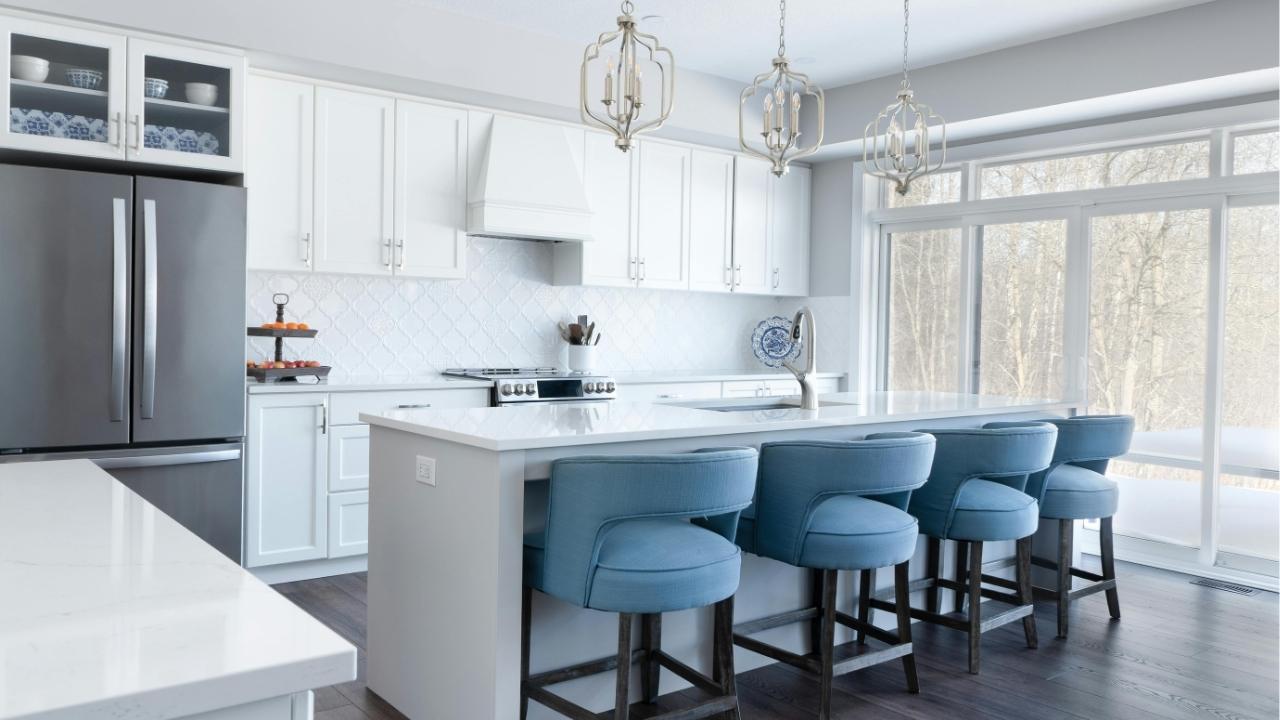
Kitchens are often one of the most expensive areas to remodel because they combine cabinets, countertops, flooring, lighting, appliances, plumbing, and electrical work in one space. A light kitchen refresh may include painting cabinets, replacing hardware, upgrading lighting, and installing a new backsplash.
A mid-range remodel may involve new cabinets, quartz or granite countertops, upgraded appliances, flooring, and a better layout. Larger projects can include wall removal, custom cabinetry, island installation, and premium finishes.
For homeowners considering kitchen remodeling in Knoxville, the smartest first step is deciding whether the goal is cosmetic improvement, better daily function, or a full layout change. That one decision can dramatically affect the budget.
Bathroom Remodeling Costs
Bathrooms are smaller than kitchens, but they can still be costly because they require skilled plumbing, waterproofing, ventilation, tile work, and fixture installation. A basic bathroom update may include a new vanity, toilet, mirror, lighting, and paint.
A more involved remodel might include a new shower, tile flooring, updated plumbing fixtures, improved storage, and better ventilation. Luxury bathrooms may include walk-in showers, freestanding tubs, heated floors, custom vanities, and high-end tile.
The biggest hidden expense in bathroom remodeling is often water damage. Once old tile, flooring, or walls are removed, contractors may find rot, mold, or leaking pipes that need attention before the new finishes go in.
Basement, Flooring, and Whole-Home Projects
Basement remodeling can range from simple finishing work to creating a full living area with bedrooms, bathrooms, entertainment space, or a home office. Costs rise when the project requires insulation, moisture control, framing, electrical work, HVAC adjustments, or plumbing.
Flooring projects are usually more predictable, but prices still depend on the material. Luxury vinyl plank, laminate, tile, hardwood, and engineered wood all come with different material and labor costs. Subfloor repairs can also increase the final price.
Whole-home remodeling is the most complex category. These projects may include multiple rooms, layout changes, new flooring, updated lighting, trim work, cabinets, paint, and system upgrades. This is where working with professionals who specialize in remodeling services becomes especially important because scheduling, budgeting, and sequencing the work properly can prevent delays and rework.
Short Case Study: From Outdated to Functional
A Knoxville family wanted to update their 1990s home before hosting relatives for the holidays. Their original wish list included a full kitchen remodel, two bathroom upgrades, new flooring, and fresh paint throughout the main level. After reviewing the budget, they phased the work into two parts. First, they focused on the kitchen, flooring, and paint because those areas had the biggest daily impact. Six months later, they completed the bathrooms. By spreading the project out, they avoided financial strain while still getting the modern, comfortable home they wanted.
How to Plan Your Remodeling Budget
The best remodeling budget includes more than materials and labor. Homeowners should also set aside money for design changes, permit fees, temporary living adjustments, and unexpected repairs.
A practical budget should include:
Your must-have improvements
Your optional upgrades
A 10% to 20% contingency fund
Material selections before work begins
A clear written scope of work
A realistic project timeline
The more decisions you make before demolition starts, the fewer costly changes you’ll face later.
Final Thoughts
Home remodeling costs depend on the type of project, the condition of the home, and the level of finish you want. Kitchens and bathrooms usually carry the highest price per square foot, while flooring and paint can offer noticeable impact at a lower cost.
Before starting, define your goals, compare project types, and build a budget that leaves room for the unexpected. Ready to improve your home with confidence? Contact a trusted local remodeling team and start with a clear project estimate.